Compare Local Contractors for Effective Paint Stripping Services
Compare local contractors for paint stripping to define scope, verify experience, and set clear expectations for a successful project.
Paint stripping services typically involve removing existing paint, coatings, or finishes from various surfaces such as wood, metal, or masonry. This process can include techniques like chemical stripping, sanding, or blasting to prepare surfaces for repainting or refinishing. Contractors may handle projects ranging from small residential touch-ups to large-scale commercial renovations, ensuring surfaces are properly prepared for new coatings. Clearly understanding the scope of work-such as which surfaces need stripping, the method used, and the extent of the removal-is essential to achieving a successful outcome and avoiding misunderstandings later in the project.
Defining the scope of a paint stripping project is a crucial step in selecting the right contractor. A detailed scope includes identifying specific surfaces to be stripped, the types of coatings involved, and any particular requirements or restrictions. Properly outlining these details helps property owners communicate expectations clearly and ensures contractors can provide accurate assessments of what the job entails. It also minimizes the risk of scope creep or unexpected complications, making it easier to compare different service providers based on their experience with similar projects and their ability to meet the outlined requirements.
When evaluating local contractors for paint stripping services, property owners should consider several practical factors. It’s helpful to verify each contractor’s experience with similar projects and ask about their methods and safety practices. Comparing how contractors define and approach the scope of work can reveal their level of professionalism and understanding of the job. Additionally, reviewing any available references or portfolio examples can provide insight into their capabilities. By focusing on these practical aspects, property owners can make well-informed decisions and select service providers who are best suited to meet the specific needs of their property.
Compare local contractors by outlining your project priorities, verifying experience, and clearly defining expectations in writing.
- Compare Contractors - evaluate multiple local service providers to find the best match for your paint stripping needs.
- Define Scope Clearly - specify the areas and surfaces to be stripped to set accurate expectations.
- Verify Experience - review the background and past work of local contractors to ensure quality service.
- Document Expectations in Writing - ensure all project details and agreements are clearly outlined before work begins.

Clearly describing your paint stripping project helps compare local contractors, define scope, verify experience, and set expectations in writing.
- Verify experience and expertise in paint stripping techniques relevant to the project scope - ensure service providers have a proven track record with similar surfaces and materials.
- Define the scope of work clearly in writing, including preparation, stripping methods, and surface finishing expectations - detailed documentation helps prevent misunderstandings.
- Assess the methods and materials used by local contractors to ensure they are appropriate and effective for the specific paint and surface type - proper techniques are essential for quality results.
- Check references or reviews to gauge the quality and reliability of previous paint stripping projects completed by the service providers - feedback from past clients can offer valuable insights.
- Confirm that the scope of work and expectations are documented in a detailed contract or agreement - written agreements help set clear expectations and protect both parties.
- Compare the experience, scope definitions, and communication approaches of multiple local contractors before making a selection - thorough comparison ensures choosing a qualified and professional service provider.
Use this to compare local contractors, clarify project scope, and verify their experience and expertise.

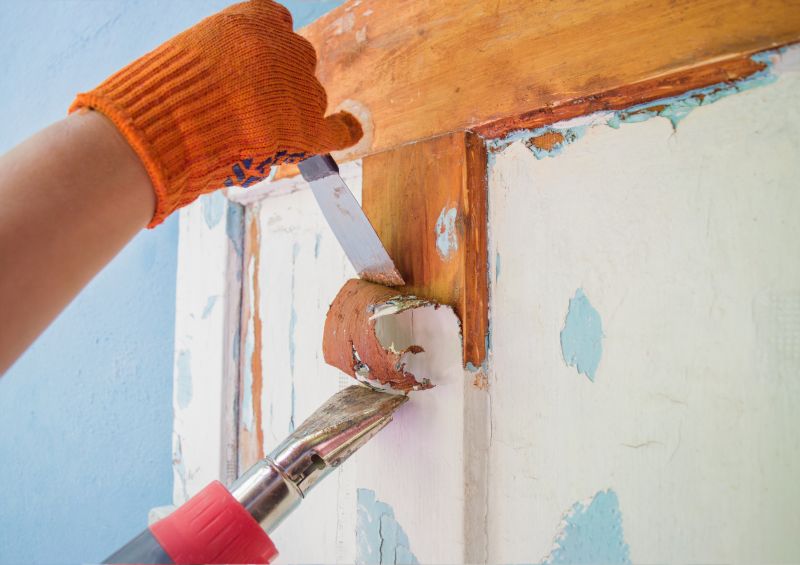
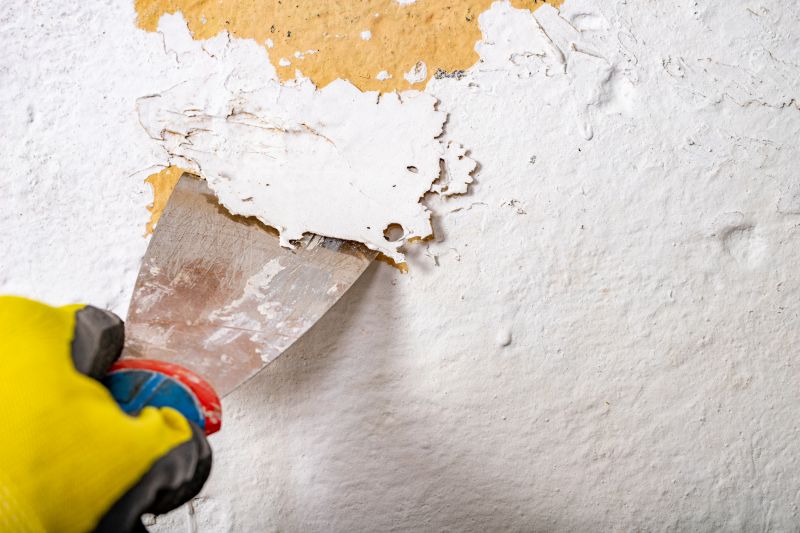
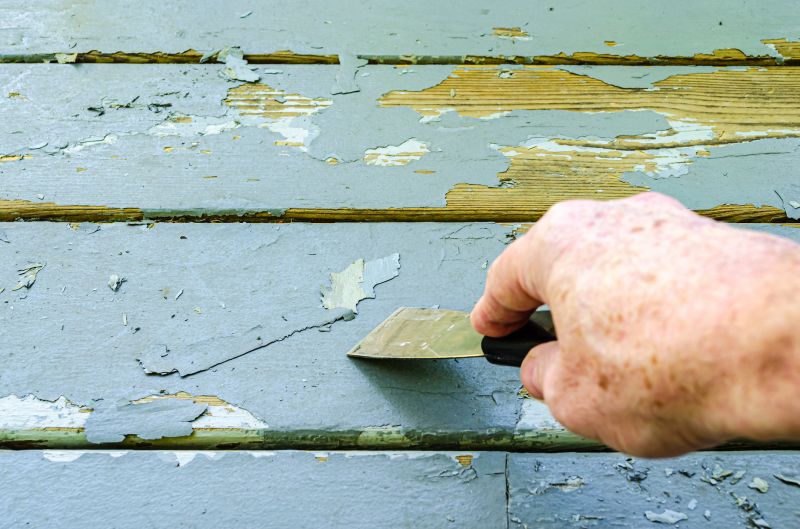
Use consistent criteria to compare local contractors’ scope, experience, and written expectations for paint stripping services.
- Scope Definition - Clearly outline the areas and surfaces where paint stripping is required to establish the project boundaries.
- Material Compatibility - Identify the types of paint and coatings to ensure the selected stripping methods are appropriate.
- Method Selection - Determine the preferred stripping techniques, such as chemical, mechanical, or abrasive methods, suitable for the project.
- Surface Preparation - Specify any necessary preparation steps prior to stripping, including cleaning or surface protection measures.
- Post-Strip Finishing - Define the required surface finishing, including sanding, cleaning, or surface repairs after paint removal.
When comparing contractors for paint stripping services, it’s important to consider their experience with similar projects. Homeowners should inquire about how many jobs they have completed that involve stripping paint from surfaces comparable to their own, such as wood, metal, or masonry. Contractors with a proven track record in handling projects of similar scope are more likely to understand the specific challenges involved and deliver results that meet expectations. Verifying the background of service providers by asking for details about their past work can help ensure that they have the relevant experience needed for the job.
A clear, written scope of work is essential when evaluating different service providers. Homeowners should seek detailed descriptions of what the paint stripping process will include, such as preparation steps, methods used, and surface finishing. Having a comprehensive scope helps prevent misunderstandings and ensures that both parties share the same expectations. Service providers who can provide a detailed proposal or scope in writing demonstrate professionalism and transparency, making it easier to compare options objectively.
Verification basics involve confirming that contractors have the necessary experience and a history of successful projects, as well as understanding their approach to the work. Homeowners should ask for references or examples of previous work, and consider how the contractor describes their process. It’s also helpful to verify that the contractor’s methods align with the surface material and condition, ensuring that the approach is appropriate. This verification process helps identify service providers who are knowledgeable and capable of performing the work properly.
Evaluating options without focusing on prices involves assessing the quality of the service provider’s experience, the clarity of their scope, and their approach to the project. Homeowners should compare how well each contractor understands the job, the level of detail in their proposal, and their ability to communicate expectations clearly in writing. Considering factors like experience with similar surfaces and the thoroughness of their scope can help determine which service providers are most capable of delivering satisfactory results. This approach ensures a well-informed decision based on expertise and professionalism rather than cost alone.
Ask for written scope and detailed descriptions to ensure clear expectations and consistent project understanding.
- Experience and Expertise - What specific experience do the local contractors have with paint stripping projects similar to yours?
- Methods and Techniques - Which paint stripping methods do the service providers use, and how do they determine the most appropriate approach?
- Scope of Work - How will the contractors define and document the scope of work to ensure all expectations are clear?
- Materials and Safety Protocols - What materials and safety procedures do the local pros incorporate during the paint stripping process?
- Warranty and Post-Project Support - Do the service providers offer any warranties or follow-up support for their paint stripping services?
What should I consider when choosing a paint stripping contractor? It's important to review the contractor's experience with similar projects, verify their references, and ensure that the scope of work is clearly defined in writing to set proper expectations.
How can I compare different paint stripping service providers? Comparing local contractors involves examining their service offerings, checking for customer feedback, and requesting detailed descriptions of their methods to ensure they meet project needs.
What questions should I ask a paint stripping contractor before hiring? Inquire about their process, the types of materials they use, how they handle surface preparation, and whether they provide a detailed written scope of work.
Why is it important to have the scope of work in writing? A written scope helps clarify project details, sets expectations, and provides a reference point to prevent misunderstandings during the work process.
How can I verify a contractor’s experience with paint stripping projects? Request examples of previous work, ask for references, and review any available credentials or project descriptions to ensure they have relevant experience.
What should I do to ensure clear communication with a contractor? Clearly outline your project expectations in writing, ask questions to confirm understanding, and request detailed descriptions of the services they will provide.
Understanding the importance of choosing the right contractor for paint stripping projects is key to ensuring the work meets expectations. Visitors have learned how to define the scope of the job, verify the experience of service providers, and set clear expectations in writing. Comparing local contractors through a straightforward quote form can help identify options that align with specific project needs.
By using the quote form to compare multiple service providers, visitors can make more informed decisions about potential contractors for their paint stripping needs. Connecting with experienced local contractors allows for better clarity on the process and helps establish a solid foundation for the project.